Parenting is a journey like no other—full of love, joy, and the kind of growth that stretches your heart and soul in unimaginable ways. But let’s be honest: it can also feel overwhelming, isolating, and relentless. When you add mental health challenges into the mix, the weight can feel unbearable at times.
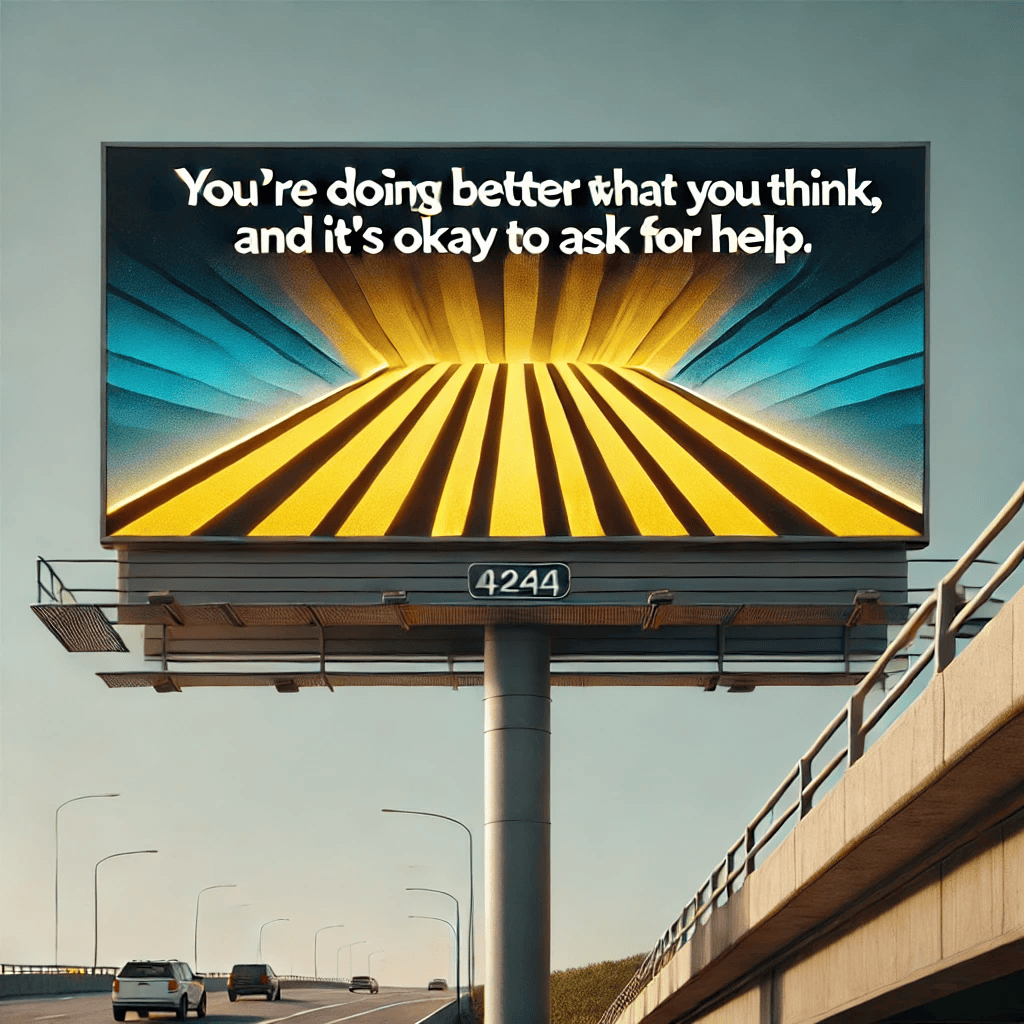
If I had a billboard on the highway, it would carry a message that many parents desperately need to see—a message of hope, support, and understanding. In big, bold letters, it would say:
“You’re Doing Better Than You Think, and It’s Okay to Ask for Help.”
Why This Message Matters
Parenting is often romanticised, with social media filled with highlight reels of perfectly dressed children, smiling faces, and picture-perfect family outings. But behind the scenes, many parents are grappling with feelings of inadequacy, anxiety, and depression. For some, the journey into parenthood may have begun with birth trauma or a stay in the neonatal intensive care unit (NICU). For others, it might be the daily challenge of raising a neurodivergent child while managing their own neurodiversity.
I know firsthand how easy it is to feel alone in this journey. As a parent who has navigated both the heartache of having a premature baby and the ongoing challenges of neurodiversity within our family, I’ve felt the pressure to appear as though I have it all together. The truth is, none of us do. And that’s okay.
The Link Between Parenting and Mental Health
Parenting has a profound impact on mental health. From sleep deprivation and the stress of juggling responsibilities to the fear of not being enough for your children, it’s a constant balancing act. For parents of premature babies or children with additional needs, the stakes feel even higher. Every decision can feel loaded with worry about your child’s future.
And yet, society doesn’t always make space for these honest conversations. Many parents are left feeling as though they’re failing when, in reality, they’re simply human.
What I Want Parents to Know
If you’re reading this, here’s what I want you to take away:
1. You’re Not Alone: Whatever challenges you’re facing, there’s someone out there who understands. Reach out to parent groups, support organisations, or trusted friends and family.
2. It’s Okay to Ask for Help: Whether it’s professional mental health support, respite care, or simply a shoulder to cry on, asking for help is a sign of strength, not weakness.
3. Your Mental Health Matters: You can’t pour from an empty cup. Prioritising your mental well-being isn’t selfish; it’s essential for your family’s health and happiness.
4. You’re Enough: Parenting is not about being perfect. It’s about showing up, doing your best, and loving your children through the highs and lows.
What My Billboard Would Achieve
I imagine my billboard standing tall and bright, catching the eye of parents on their way to work, school drop-offs, or even therapy sessions. It wouldn’t solve every problem, but it would plant a seed—a reminder that they are not invisible, that their struggles are valid, and that support is available.
Parenting doesn’t come with a manual, and neither does navigating mental health. But with messages of hope and community, we can begin to break down the stigma and build a world where no parent feels alone in their journey.
Call to Action
If this message resonates with you, take a moment to share it with a fellow parent who might need to hear it. Let’s start a conversation about the real challenges of parenting and mental health. Together, we can create a community of understanding and support.
To keep these conversations going, don’t forget to like, subscribe, and follow for more blogs on parenting, mental health, and the beautiful chaos of raising children. Let’s build a world where every parent feels seen and supported.
If you had a freeway billboard, what would it say?
 The bad and your parenting journey