Health Anxiety: Why Visiting the Paediatrician Can Feel Overwhelming

Health anxiety, also known as illness anxiety, is a consuming fear or worry about one’s health or the health of a loved one. For parents, this often centres around their children. When you’re already anxious about your child’s health, a visit to the paediatrician can feel less like a reassurance and more like walking into the unknown.

For many parents, this anxiety peaks during these appointments. Why? Because the stakes feel incredibly high. You’re not just facing potential medical concerns; you’re confronting fears about your ability to protect and care for your child.

The Emotional Weight of Paediatrician Visits

Paediatric visits should offer reassurance, but they can sometimes amplify health anxiety due to:

1. Fear of the Unknown:

Even if the visit is routine, there’s always a lingering worry—what if something unexpected is discovered? Parents might spiral into worst-case scenarios before even stepping into the clinic.

2. Past Trauma or Experiences:

Parents who have faced health scares, especially with premature or neurodiverse children, may relive those traumatic experiences. Memories of hospital stays or worrying test results can surface, making a simple check-up feel emotionally charged.

3. Pressure to Be Informed:

Parents often feel an overwhelming pressure to know everything about their child’s health and development. If the paediatrician mentions something you weren’t prepared for, it can heighten feelings of inadequacy or fear.

4. Concern Over Milestones:

Discussions about growth, weight, or developmental milestones can leave parents overthinking whether their child is “falling behind.”

Managing Health Anxiety Around Paediatric Visits

While the anxiety may not disappear entirely, there are ways to manage it:

1. Prepare in Advance

Write down questions or concerns you want to address. This gives you a sense of control and ensures you don’t leave the appointment feeling like you forgot something important.

2. Focus on Facts, Not Fears

Health anxiety often stems from irrational worries. Instead of speculating about what might go wrong, remind yourself that most paediatric visits are routine and meant to ensure your child’s wellbeing.

3. Bring a Supportive Partner or Friend

If possible, bring someone with you who can provide emotional support. They can also help you process the information shared by the doctor.

4. Be Honest About Your Anxiety

Let your paediatrician know about your concerns. They are there to support you as much as your child and can provide extra reassurance or clarity.

5. Practice Self-Care After the Visit

After the appointment, take some time to decompress. Whether that’s going for a walk, journaling, or simply sitting quietly, give yourself the space to process the experience.

Seeking Professional Support

If health anxiety begins to interfere with your daily life or your ability to enjoy parenting, consider seeking support from a therapist or counsellor. Cognitive-behavioural therapy (CBT) is particularly effective for managing health anxiety.

Remember: You’re Not Alone

Health anxiety is common among parents, especially those who have faced challenges like prematurity, birth trauma, or caring for neurodiverse children. It’s important to remind yourself that your concern stems from love and care for your child. Visits to the paediatrician, while anxiety-inducing, are a sign of your commitment to their wellbeing.

With time, support, and the right strategies, you can face these visits with more confidence and less fear.

References

1. National Institute of Mental Health (NIMH): “What is Illness Anxiety Disorder?”

2. Cognitive-Behavioural Therapy for Health Anxiety, UK Health Services

3. Parenting Through Anxiety: Resources and Support for Parents with Health Concerns

If this resonates with you, I’d love to hear your experiences and coping strategies. Let’s keep this conversation going!

How My Husband, Daughter, Friends, and Family Helped Me Heal After Narcissistic Relationships

What relationships have a positive impact on you?

Recovering from narcissistic relationships can feel like climbing out of a deep, dark pit. These experiences often leave scars—on your self-esteem, your trust in others, and your view of the world. But for me, the healing journey became possible through the unwavering support of my husband, my daughter, and a close circle of friends and family. Their love and encouragement reminded me of what healthy relationships look like and helped me rebuild my confidence and sense of self.

The Role of My Husband: A Beacon of Stability

When I first met my husband, I was still carrying the weight of past experiences. Narcissistic relationships can make you doubt your worth, and I struggled to believe I deserved someone kind, patient, and understanding. But my husband showed me that love doesn’t have to hurt.

One moment stands out to me, and it’s a story I’ll never forget. On our third date, five years ago yesterday, he met one of my best friends. Afterward, she immediately approved of him, and it was all because of a simple but profound gesture—he held my hand. She told me later that she had never seen any of my previous boyfriends do that. It may sound small, but for me, it was a powerful sign of how different he was. That simple act of holding my hand showed care, affection, and a sense of pride in being with me—something I hadn’t experienced before.

He gave me the space to heal without judgment, patiently listening as I unpacked years of emotional baggage. Through his actions—like valuing my opinions, respecting my boundaries, and consistently showing up for me—I slowly began to see what a healthy, supportive partnership looks like. His love became the foundation for rebuilding my trust in relationships and, more importantly, in myself.

My Daughter: A Source of Joy and Purpose

Becoming a parent was transformative in ways I couldn’t have imagined. My daughter has taught me what unconditional love truly means. Her laughter, curiosity, and resilience inspire me daily, reminding me to approach life with wonder and hope.

In the moments when self-doubt creeps in, her little arms around me has the power to ground me. She reminds me that I am not defined by the pain of my past but by the strength I’ve gained through overcoming it. Raising her has also motivated me to be a role model of healthy relationships and self-respect, breaking cycles and creating a new legacy for her to follow.

Friends and Family: A Network of Support

While my husband and daughter have been my anchors, my friends and family have played an equally vital role in my healing. After leaving narcissistic relationships, I realised how important it was to surround myself with people who truly care about my well-being.

My friends have been my cheerleaders, offering encouragement and a listening ear when I needed it most. They reminded me of my worth, celebrating my milestones, no matter how small. My family, too, has been a source of strength, providing a sense of stability and reminding me of the values I hold dear.

Having a network of people who genuinely want the best for me has been instrumental in rebuilding my confidence. They’ve helped me understand that love and respect are not earned through sacrifice or pain—they are given freely by those who truly care.

Lessons Learned

Through this journey, I’ve learned a few key lessons that I hope will resonate with others who are healing from similar experiences:

1. Healing Takes Time: It’s okay to take things one step at a time. Surround yourself with people who respect your pace.

2. Boundaries Are Essential: Healthy relationships thrive on mutual respect. Setting boundaries isn’t selfish—it’s necessary.

3. Self-Worth Comes from Within: While others can support and encourage you, rebuilding your self-esteem is an inside job. Take the time to rediscover who you are and what you deserve.

4. Love Is Not Painful: Real love is nurturing, respectful, and kind. If it hurts, it’s not love.

Moving Forward

Today, I feel stronger and more grounded than ever. My husband’s unwavering support, my daughter’s boundless love, and the encouragement of my friends and family have shown me that life after narcissistic relationships is not just possible—it can be beautiful.

If you’re on a similar journey, know this: you are not alone, and brighter days are ahead. Surround yourself with people who uplift you, set boundaries, and never stop believing in your worth. Healing is not linear, but with love and support, it’s entirely achievable.

References

1. “Recovering from Narcissistic Abuse: Key Steps to Healing” – Psychology Today

2. “The Importance of a Support System in Healing” – Mental Health Foundation

3. “Boundaries and Self-Worth in Healthy Relationships” – Relate

If I Started a Sports Team: Why the Colours of My Logo and a Butterfly Mascot Would Lead the Way

If you started a sports team, what would the colors and mascot be?

Rugby strip

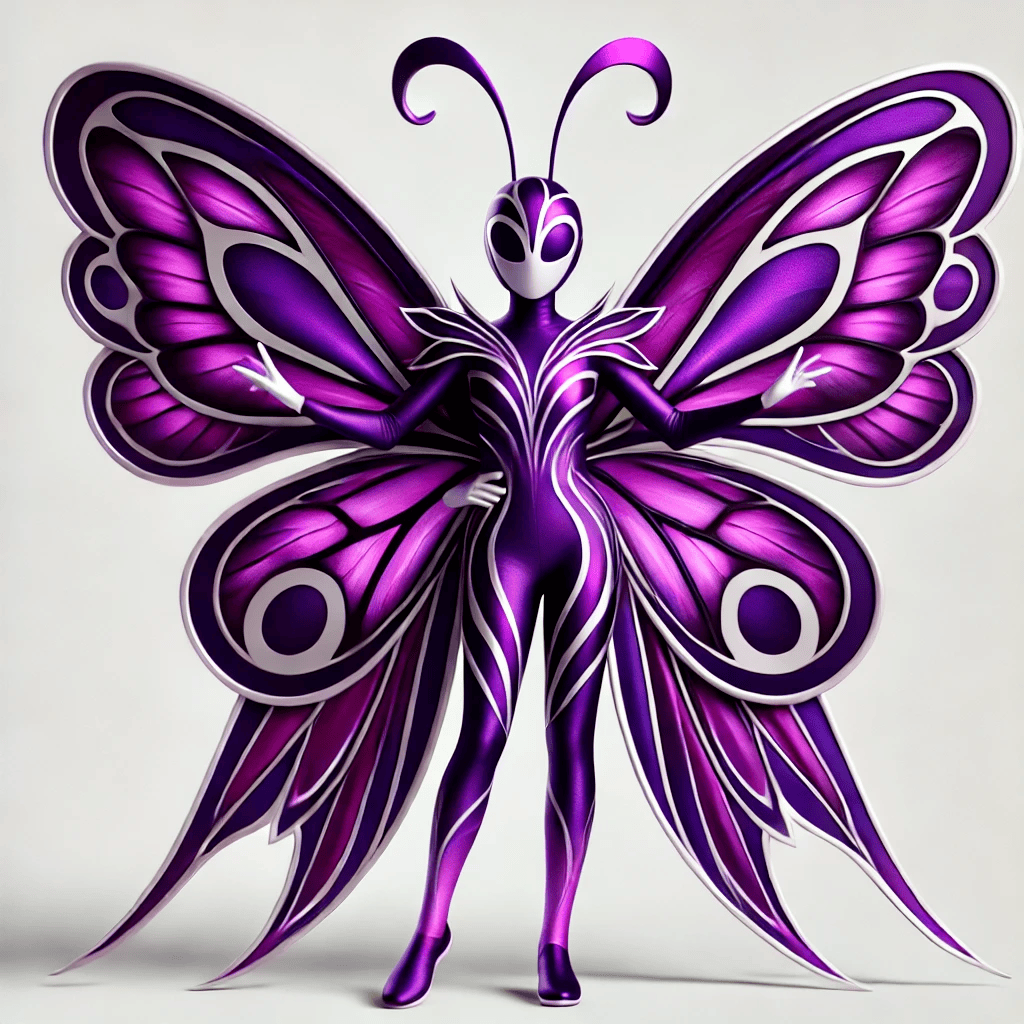
Starting a sports team is more than just about wins and losses; it’s about creating a sense of identity, unity, and purpose. If I were to create one, the colours of my logo would be front and centre, not just because they’re visually appealing, but because they carry a meaning deeply rooted in my personal journey. And to complete the team’s identity, the mascot would be none other than a butterfly, a symbol of transformation, resilience, and hope.

The Power of Colours in a Logo

Colours are not just decorative; they evoke emotions, tell stories, and represent values. My logo, featuring purple butterflies, holds a deeply personal significance. Purple is often associated with transformation, strength, and remembrance, and for me, it symbolises resilience and hope. The butterfly, delicate yet enduring, represents life’s fragility and beauty—a constant reminder of the challenges faced and the victories earned along the way.

These colours are more than branding; they are a testament to the lives and stories behind them. They remind me of my twin brother, Nicholas, who passed away at birth, and the strength I’ve drawn from that loss to help others. They also represent the memory of babies who have passed away, often acknowledged in neonatal units with purple butterflies.

The Butterfly as a Mascot

Choosing a butterfly as a mascot might seem unconventional for a sports team, but it is a natural fit when you consider what it represents. Butterflies symbolise:

1. Transformation and Growth

Sports are all about growth—turning struggle into strength, challenges into victories. A butterfly begins as a caterpillar, transforms in its cocoon, and emerges stronger and more beautiful. This journey mirrors the resilience needed to succeed in sports and in life.

2. Delicacy Paired with Strength

Butterflies are delicate, yet they endure incredible journeys. Similarly, my team would value not only physical strength but also emotional resilience and the ability to support one another through tough times.

3. A Unique and Memorable Identity

While many teams have fierce or aggressive mascots, a butterfly would stand out. It would convey a message of hope and unity, offering inspiration to players and fans alike.

What the mascot would be wearing

Bringing It All Together

If I started a sports team, the colours and the butterfly mascot would extend beyond the logo to the jerseys, flags, and even the team’s philosophy. Here’s why:

1. Building a Strong Identity

Purple is a striking, bold colour that stands out—just like I’d want my team to stand out in their determination and spirit. Pairing it with a butterfly mascot ensures a unique identity grounded in meaningful values.

2. Fostering Community

Colours and mascots are powerful ways to unite people. When fans see the purple and the butterfly, they’d feel connected not only to the team but to a bigger story—a story of love, resilience, and hope.

3. Honouring the Past, Embracing the Future

The logo’s colours and the butterfly mascot would also serve as a way to honour those we’ve lost, like my twin brother, Nicholas. It’s a way to carry forward their memory and remind others that life, though sometimes fragile, is also beautiful and worth fighting for.

Beyond the Game

This isn’t just about creating a sports team—it’s about creating a movement. A team grounded in such values would focus not only on winning but on inspiring others to persevere, support each other, and carry forward the values symbolised by the colours and the butterfly mascot.

Whether it’s a football team, a rugby squad, or even a group of parents coming together for a friendly match, this team would represent more than just competition. It would stand for empathy, hope, and the strength to rise above adversity—values that have defined my journey and the work I do to support others.

Final Thoughts

If I ever started a sports team, its foundation would be far more than skill and strategy—it would be heart. The purple of my logo and the butterfly mascot would weave their way through everything the team does, ensuring that every goal, every try, and every victory carries with it the deeper meaning of transformation, strength, and remembrance.

For me, those colours and the butterfly aren’t just design choices—they’re symbols of a journey, a purpose, and a mission to inspire others, both on and off the field.

References

• Personal experiences with neonatal loss and purple butterfly symbolism.

• Studies on the psychology of colours and mascots in sports branding.

• The power of storytelling in sports and community building.

• The images were generated by ChatGPT

Finding My Voice: How Neurodiversity, Disability, and Morality Shape My Politics

How have your political views changed over time?

As I’ve grown older and gained more life experience, my political views have shifted significantly to the left. This hasn’t been a sudden change, but rather a gradual process as I’ve become more attuned to the injustices in society, particularly through the lens of my own neurodiversity and disability.

Living with Hypermobility Ehlers-Danlos Syndrome (hEDS)

Living with hypermobility Ehlers-Danlos Syndrome (hEDS) has profoundly shaped how I see the world and the role politics plays in our everyday lives. hEDS is a connective tissue disorder that impacts my joints and mobility, creating challenges that many people don’t see or understand. Combined with my neurodiverse traits, I’ve often found myself battling a system that isn’t built for people like me.

My experiences navigating healthcare, accessing support, and managing the daily realities of a chronic condition have made me acutely aware of the gaps in our systems. When policies fail to address the needs of disabled people, it’s not just frustrating—it’s deeply harmful. I see this in everything from cuts to social care to the inadequate support for disabled parents.

A Sense of Morality Rooted in Neurodiversity

Being neurodiverse, I’ve always had a strong sense of morality—a deep-seated need for fairness and justice. It’s not something I can turn off or ignore. I often hyperfocus on certain topics, and one of my enduring interests has been British politics, particularly how decisions impact vulnerable communities. This hyperfocus allows me to delve deeply into issues, connecting dots and seeing patterns that others might overlook.

But it’s not just about interest; it’s personal. I’ve lived through the consequences of political decisions—whether it’s the strain on the NHS that made accessing care for my hEDS more difficult, or the barriers faced by neurodiverse individuals in education and employment. These experiences have only reinforced my left-leaning views and my belief that everyone deserves a fair shot at life.

A Political Awakening Through Personal Experience

Parenthood was a significant turning point for me. Having a premature baby and navigating the medical and emotional challenges that followed opened my eyes even further to the inequalities built into our systems. From the lack of adequate support for NICU parents to the hurdles neurodiverse families face, I’ve seen firsthand how much more needs to be done to create a society where everyone has an equal chance to thrive.

Living with hEDS while caring for a child with additional needs is a constant reminder of how important it is to have systems that support families like mine. The smallest policy changes can have a huge impact on our quality of life—whether it’s access to mobility aids, flexible working arrangements, or educational support for our children.

The pandemic was another wake-up call. It exposed just how fragile our systems are and how much society relies on the sacrifices of individuals—especially those in undervalued roles like carers, NHS workers, and teachers. Watching political decisions that ignored or exploited these groups only deepened my frustration and reinforced my belief that things must change.

Carol Vorderman: A Voice of Reason and Integrity

One person who has inspired me greatly in how she discusses politics is Carol Vorderman. Her ability to call out injustice and hypocrisy in a way that is both intelligent and compassionate resonates deeply with me. She doesn’t just talk about politics—she connects the dots and shows the human impact of decisions made at the top.

This Christmas, my husband gave me her book Now What?, and it couldn’t have been a more fitting gift. Carol’s insights and perspectives feel like a validation of my own thoughts and concerns. She represents the kind of moral clarity and passion that I strive to embody in my own advocacy work.

Why Politics Matters to Me

For many, politics might seem distant or abstract, but for me, it’s deeply personal. Policies affect every aspect of our lives, from the quality of education our children receive to the support available for families with additional needs, to the healthcare systems that people like me rely on daily.

As someone who is neurodiverse and living with a disability, I don’t have the luxury of ignoring politics. I’ve seen how cuts to services, lack of understanding, and systemic inequities create unnecessary struggles. These experiences have driven me to speak up and to stand firmly for a more equitable and compassionate society.

Looking Forward

I’m not a politician or a policy expert, but I do know the power of using my voice. Whether it’s through my writing, my podcast, or my advocacy work, I want to contribute to a world where fairness and justice are the norm, not the exception.

Like Carol Vorderman, I believe in calling out injustice and holding those in power accountable. It’s not always easy, and it often feels overwhelming, but I remind myself that change begins with conversations, raising awareness, and refusing to accept the status quo.

Living with hypermobility EDS and navigating life as a neurodiverse person has given me a unique perspective—a combination of resilience, empathy, and determination. Politics isn’t just a topic of interest for me—it’s a vital part of who I am and what I stand for.

References:

1. Vorderman, C. (2023). Now What?.

2. Personal reflections on neurodiversity and disability advocacy.

3. Observations on British politics and social justice.

You get to build your perfect space for reading and writing. What’s it like?

Blog: The Perfect Places to Read and Write: A Personal Reflection

As writers and readers, our environments have a profound impact on how we engage with words. The spaces where we write and read often carry meaning beyond their physical characteristics—they become part of the story, shaping how ideas flow or how deeply we immerse ourselves in a book.

When I think about the ideal place to write, my mind drifts back to a time when I worked on cruise ships in the spa. In the evenings, when the day’s work was done, I loved finding a quiet moment on the back deck. Watching the sun dip below the horizon, with the gentle hum of the ship and the open sea stretching endlessly before me, brought a sense of serenity like no other. It was as if the ocean’s vastness cleared space in my mind, allowing creativity to flow freely. The rhythm of the waves seemed to match the rhythm of my thoughts, and it became my perfect writing sanctuary—one filled with inspiration and peace.

On the other hand, my favourite place to read takes me back to my childhood. In my parents’ old house in North Wales, my bedroom had a windowsill that felt like it was made just for me—a cozy book nook. From there, I could look out over the park, where one particular tree always caught my eye. That tree became a symbol of home, grounding me no matter how far life took me. Sitting there, surrounded by books, I felt safe and comforted, as if the stories I read blended with the view outside my window.

For me, the act of writing feels expansive, like the wide-open sea, while reading feels intimate and grounding, like a warm nook by the window. Both are essential, and both are deeply tied to the spaces we inhabit.

It’s a reminder that our surroundings—whether grand or simple—can shape how we create and connect with words. As I think about it now, these places weren’t just about the physical comfort or the view; they represented two different sides of me. Writing on the deck was a connection to the world’s vastness, while reading on the windowsill was a connection to my roots.

What about you? Where do you find your perfect places to write or read?

The biggest influences in my life: a personal reflection

Who are the biggest influences in your life?

When I think about the person I’ve become, it’s clear that the people in my life have been the greatest influencers, shaping me with their love, guidance, and example. I owe so much to the relationships that have taught me about resilience, compassion, and the power of education.

My Parents: Champions of Education and Equality

First and foremost, my parents have been incredibly influential in my life. From a young age, they taught me the value of perseverance and standing up for what’s right. As someone who struggled with reading and wore hearing aids, I faced challenges that could have easily held me back. However, my mum fought tirelessly to ensure I was treated equally in my education.

Both of my parents were teachers, and their deep understanding of the transformative power of education shaped my own beliefs. They not only advocated for me but also instilled in me a passion for learning and a commitment to equality and diversity. These values continue to drive everything I do, whether it’s supporting other families, raising awareness about neurodiversity, or simply striving to make the world a kinder, more inclusive place.

My Grandmother: A Second Mum

Another profound influence in my life was my grandmother. She was like a second mum to me, offering unwavering love and support. Her nurturing presence was a constant source of strength, and the bond we shared was something truly special. She taught me the importance of kindness, patience, and unconditional love—qualities I try to embody in my own life and relationships.

My Husband and Daughter: Teaching Me Compassion and Resilience

Finally, my husband and my daughter have had a transformative impact on my life. Through them, I’ve come to understand the true depths of compassion, resilience, and unconditional love. My husband’s unwavering support and understanding have been a steadying force during life’s challenges, while my daughter has inspired me in ways I never imagined.

Becoming a parent, particularly to a premature baby, has taught me about strength and vulnerability in equal measure. It’s shown me the importance of empathy—not only for others but also for myself. My daughter has given me a renewed sense of purpose and a drive to help others feel supported and seen, especially those navigating challenges similar to mine.

The Threads That Bind My Life

Each of these relationships—my parents, my grandmother, my husband, and my daughter—has been a thread in the fabric of my life, weaving together the values and passions that guide me today. They’ve shaped my belief in the power of education, the importance of equality, and the transformative nature of love and resilience.

As I reflect on their influence, I feel immense gratitude. Their love and support have been a foundation for everything I’ve achieved and everything I aspire to do.

Who are the biggest influencers in your life? Take a moment to reflect and celebrate those who have helped shape your journey. Let’s honour their impact and carry their lessons forward.

Thank you for reading!

If this resonates with you, I’d love to hear about the people who have influenced your life. Leave a comment or share your story—I’d be honoured to listen.

A journey through time: my dream of Neonatal medicine then and now

Share what you know about the year you were born.

Last night, I had a strange and vivid dream. It was about the time I was born—a time when neonatal medicine was still finding its footing and the world of healthcare was vastly different from what it is today. The dream brought together fragments of my story, my mum’s experience, and my passion for advocating for families navigating premature births. It was a surreal blend of memory, emotion, and reflection.

As I think back, it feels like a journey through time, showing how far we’ve come—and how some things, sadly, haven’t changed.

A Difficult Beginning: My Mum’s Experience

In 1981, I was born at 28 weeks, a time when neonatal care was far less advanced than it is today. My mum, pregnant with me and my twin brother Nicholas, knew something wasn’t right when she went into hospital. She was in labour, but the medical staff dismissed her concerns.

“Mrs. Williams, you’re not in labour. It’s just indigestion,” they said, patronising her in the way women have been too often treated in medical settings.

My mum stood her ground. She knew her body and, as a mother of two already, she recognised labour pains. Still, they only agreed to keep her in as a precaution. It was a decision that likely saved my life.

My dad couldn’t be with her—he was at home with my older brother and sister, both under four, as they had just moved to North Wales to be closer to my grandparents, my Nain and Taid (Welsh for grandma and granddad), who were both battling cancer. My mum, therefore, faced this terrifying experience alone.

When I think about her strength, I’m overwhelmed with gratitude. But I’m also reminded of how the patriarchy in healthcare often dismisses women’s voices, forcing them to fight for the care they deserve.

Neonatal Care Then and Now

In the dream, I saw a strange merging of neonatal medicine and sepsis education, with mentions of a “golden hour” that doesn’t actually exist in neonatal care. Perhaps this reflects my work in spreading awareness of sepsis and its critical timelines. But it also highlighted how much neonatal care has evolved.

Back then, my mum had an amniocentesis, a common practice at the time but now much less so due to the risks of miscarriage. Medical technology was rudimentary. At one of my recent appointments, my mum came with me to a scan, and I’ll never forget her amazement.

“When I was pregnant with you and Nicholas, the scan equipment filled the whole room,” she said. “And now it’s this small machine with so much detail!”

Her awe reminded me of how incredible medical advancements are. Today, ultrasounds, neonatal equipment, and monitoring systems save lives in ways that would have been unimaginable in 1981.

The Weight of Loss

Despite these advances, my twin brother Nicholas didn’t survive. The grief my family experienced has always stayed with us. It shaped how I view the world and fuels my passion for ensuring families feel supported through the most challenging times.

My dream also reminded me of the delicate balance of life and loss that defines neonatal care. In 1981, premature babies like me had a much lower chance of survival. Today, those odds are significantly better, but the journey for families remains emotionally and physically taxing.

Family, Sacrifice, and Resilience

In my dream, I saw the sacrifices my family made so clearly. My dad staying home with my siblings while my mum faced labour alone wasn’t an easy decision, but it was necessary. They had just moved to North Wales, balancing the challenges of caring for young children, supporting my grandparents during their cancer treatment, and preparing for my arrival.

This part of the dream stayed with me because it reflects the resilience of families. The weight of caring for loved ones—whether they’re children, parents, or partners—can feel overwhelming, but it also brings out incredible strength and love.

How Far We’ve Come

Reflecting on this dream, I’m struck by how much has changed in neonatal care—and how much still needs to be done. Medical technology has advanced leaps and bounds, giving premature babies better chances of survival and improving outcomes for families.

Yet, the need to listen to mothers, to respect their knowledge of their own bodies, remains just as important now as it was in 1981. The dismissive treatment my mum experienced shouldn’t happen today, but for many women, it still does.

Why This Matters

This dream has left me with a deep sense of purpose. It’s a reminder of why I do what I do: to ensure no family feels unsupported, unheard, or dismissed. Whether it’s advocating for better neonatal care, supporting families dealing with loss, or spreading awareness of sepsis and other challenges, I want to make a difference.

Our journeys may be shaped by the past, but it’s what we do now that matters most.

If you’ve had similar experiences or thoughts about how neonatal care has changed—or how it hasn’t—please share them. Together, we can keep advocating for better care and support for families everywhere.

References

• Reflections from personal experience

• Conversations with family

• Historical context of neonatal care advancements

Becoming a better judge of character as a neurodivergent person

Are you a good judge of character?

As someone who is neurodivergent, navigating relationships hasn’t always been easy for me. Being open-hearted, empathetic, and often eager to connect with others can make us more susceptible to attracting people who display narcissistic tendencies or other harmful behaviours. For much of my life, I struggled to recognise the red flags in relationships and friendships. But as I’ve grown older—and, most importantly, sought help to understand myself better—I’ve learned to draw boundaries and build healthier, more fulfilling relationships.

Recognising Patterns of Behaviour

Looking back, I can see how my neurodivergence contributed to some of the challenges I faced. Being highly sensitive and sometimes struggling to pick up on subtle social cues made it easier for those with manipulative tendencies to take advantage of my kindness. I used to second-guess myself, assuming I must have misunderstood situations or overreacted to someone’s behaviour.

It wasn’t until I endured one particularly toxic relationship that I truly began to see the patterns. My last boyfriend was a wake-up call—he manipulated my emotions, dismissed my feelings, and eroded my confidence. It wasn’t just that he was a bad partner; it was that I found myself unable to break free until it became unbearable.

Therapy Changed Everything

After that relationship ended, I sought therapy, which was a transformative step. Therapy gave me the tools to recognise the subtle (and not-so-subtle) behaviours of people who don’t have your best interests at heart. I learned to trust my instincts and understand that my feelings are valid. I also discovered that being neurodivergent didn’t mean I had to accept less than I deserved.

Therapy taught me the importance of self-worth and boundaries. I realised that saying no, distancing myself from toxic people, and standing up for myself didn’t make me “difficult”—it made me strong.

Building a Healthier Life

Today, I’m proud to say that I’m married to the most incredible man who treats me with kindness and respect. He understands my neurodivergence and loves me for who I am, quirks and all. Together, we’ve built a life filled with mutual support, honesty, and laughter.

I also have an amazing group of friends who truly see and value me. These friendships are built on trust and authenticity, and they remind me daily of how much richer life is when you surround yourself with people who lift you up rather than tear you down.

Lessons I’ve Learned

Here are a few key things I’ve come to understand on this journey:

1. Red Flags Are There for a Reason: If someone dismisses your feelings, constantly puts you down, or makes you feel like you’re walking on eggshells, they’re not worth your time.

2. Boundaries Are Non-Negotiable: Setting boundaries isn’t about being selfish; it’s about protecting your peace.

3. Trust Your Gut: Neurodivergent or not, your instincts are powerful. If something feels off, it probably is.

4. You Deserve Respect: No matter what anyone says, you are not “too much” or “too sensitive.” You deserve relationships where you are valued and respected.

5. Healing Takes Time: Growth doesn’t happen overnight. Therapy helped me unpack years of self-doubt and learn how to navigate the world with confidence.

Standing Strong

I no longer tolerate people who treat me like a doormat. My experiences taught me to recognise the warning signs of toxic relationships and, more importantly, to prioritise my own well-being. Becoming a better judge of character has been one of the most empowering changes in my life, and it’s helped me create a world where love, kindness, and authenticity thrive.

To anyone reading this who feels stuck in unhealthy relationships or struggles to trust their instincts, I want you to know that change is possible. You are not alone, and you are not “too much.” You are enough, just as you are—and you deserve nothing less than relationships built on mutual respect and genuine care.

References

• Strategies for building boundaries: Psychology Today

• Understanding narcissistic behaviours: National Alliance on Mental Illness

• Resources for neurodivergent individuals: Neurodiversity Hub

Spending Time with Family: A Heart Full of Joy at Christmas and on My Sepsis Anniversary

When are you most happy?

As the festive season approaches, I’m reminded of the warmth, love, and gratitude that spending time with family brings. Christmas has always been a time to pause and embrace what truly matters. The twinkling lights, the scent of mulled spices, and the sound of laughter from those we hold dear fill the air with a sense of belonging. But for me, there’s another day, less well-known but equally meaningful, that holds a special place in my heart—the 9th of February, my sepsis anniversary.

Both dates, though vastly different, share a common thread: they remind me of how precious life is and how family has been my anchor through every challenge and celebration.

Christmas: A Season of Togetherness

Christmas isn’t just about gifts under the tree or feasting on delicious food; it’s about connection. I love the simple moments—the shared stories around the dinner table, the joy in my child’s eyes as they unwrap a gift, and even the chaos of last-minute preparations. These moments remind me of the strength and love that family provides.

This time of year encourages us to reflect on what we are thankful for. For me, it’s the unwavering support of my loved ones, particularly during life’s toughest battles. Christmas becomes a reminder to celebrate not only the season but the people who make life beautiful.

February 9th: A Personal Reflection

While Christmas is about shared joy, February 9th is a more personal day of reflection. It marks the anniversary of my sepsis diagnosis—a day I came terrifyingly close to not surviving. It’s hard to put into words how that experience has changed me, but one thing is certain: it made me appreciate my family in ways I never thought possible.

On this day, I’m reminded of the fragility of life and the strength of the human spirit. My family was my lifeline during my recovery, offering love and support when I felt at my weakest. The anniversary isn’t just about looking back on the trauma; it’s about celebrating the resilience that brought me through it and cherishing the people who stood by me.

The Power of Family

Whether it’s the festive cheer of Christmas or the solemn reflection of my sepsis anniversary, family remains at the core. They are the ones who lift us up, cheer us on, and remind us of our worth when we can’t see it ourselves.

Christmas and February 9th are reminders for me to slow down and hold those I love a little closer. They encourage me to celebrate life, in all its messy, unpredictable beauty, and to give thanks for the people who make my heart full.

A Message for You

As you celebrate this festive season, take a moment to appreciate the small, joyful moments with your loved ones. And if you’ve faced challenges this year, as I have in the past, know that it’s okay to reflect and hold space for gratitude.

Life’s milestones, whether joyful or challenging, are made more meaningful when shared with those we love. Let’s treasure these connections, not just at Christmas but throughout the year.

Wishing you a heart full of joy and a season surrounded by love.

References:

• Personal reflections on family and the impact of sepsis

• Importance of Christmas and significant anniversaries in personal growth

Why taking a night off the parent is so important.

What was the last thing you did for play or fun?

Parenting is a 24/7 job, filled with endless love, joy, and the occasional exhaustion. It’s easy to forget that before becoming parents, we were people with our own identities and relationships. But every now and then, taking a step back to reconnect with yourself—and your partner—can be the best gift you give to your family.

Last month, my sister-in-law offered to babysit overnight, giving my husband and me a chance to celebrate our anniversary. It felt so strange to leave Amelia behind, even for one evening. We missed her terribly and spent part of the evening wondering what she was doing (probably sleeping peacefully, unlike us on most nights!).

But as we sat at the table, away from the familiar sounds of baby monitors and toys, we found ourselves laughing, reminiscing, and reconnecting in a way we hadn’t done since Amelia was born. It was a chance to remember who we are as a couple, the version of us that existed before we became parents.

That evening wasn’t just about a nice meal or time away from nappies and night feeds. It was about reminding ourselves that our relationship is the foundation of our family. Strong partnerships create strong families, and that night gave us a chance to refuel and bring that strength back home with us.

Of course, the guilt crept in at times. Amelia is still young, and we’re used to being with her every day. But stepping away doesn’t mean you love your child any less. In fact, it’s an act of love. Taking care of ourselves and each other ensures we can be the best version of ourselves for her.

Parenting is hard work—it’s the most rewarding job we’ve ever had, but it’s still a job. Stepping away, even for a few hours, can give you the perspective and energy to return to it with even more love and patience.

If you’re a parent reading this, consider this your gentle reminder: it’s okay to take a break. Whether it’s a date night, a coffee with friends, or even just a solo walk, those moments of self-care or connection can work wonders for your mental health, your relationship, and ultimately, your family life.

So, when was the last time you took a moment for yourself or your partner? If it’s been a while, maybe it’s time to plan that babysitter call. Trust me, your family will thank you for it.

What do you think?

Do you ever feel guilty taking time away from your little ones? Or have you found it helps you recharge? Let’s chat in the comments!

Design a site like this with WordPress.com
Get started