From Beauty Therapy to Podiatry: How My Educational Journey Shaped Who I Am Today

When we talk about education, many people imagine a straight road from school to university and into a chosen career. But for some of us, the path is far more winding, filled with detours, setbacks, and unexpected opportunities. My own journey through education in the UK has been anything but linear, but it’s shaped me into the person I am today.

Starting Out: Finding My Footing

I began my education in beauty therapy, studying for my NVQ Level 2 at Coleg Llandrillo in Wales. At the time, I was full of enthusiasm for the field, but my experience there was marred by bullying. I was deeply unhappy and found it hard to cope, so I made the difficult decision to leave.

It wasn’t an easy time, but I knew I didn’t want to give up on my goals. I decided to continue my studies at Coleg Menai in Bangor, where I completed my NVQ Level 3 in beauty therapy. That decision changed my life. With my new qualifications, I was able to work on cruise ships, travelling the world and meeting incredible people. It was one of the best experiences of my life, and it’s where I met two of my best friends.

Returning Home: A New Chapter

After my time on the cruise ships, I came back home with more confidence than I’d ever had before. I realised I was ready to pursue something I’d always thought was out of reach: a university degree. I wanted to study podiatry, a practical, hands-on degree that involved completing 1,000 hours of NHS placement.

However, getting into university wasn’t as straightforward as I’d hoped. I’d been out of education for several years, so I needed to meet some new requirements. Over two years, I worked hard to earn my English GCSE and completed an Access Course in Science and Health-Related Professions at Varndean College.

Finally, I was accepted into Brighton University’s Eastbourne campus—a moment that felt like a huge victory.

University Life: Building Confidence and Friendships

At university, I was a commuter student, travelling back and forth rather than living on campus. This meant my experience was a little different from those who fully immersed themselves in campus life, but it didn’t stop me from forming meaningful friendships.

The course itself was challenging but incredibly rewarding. Studying podiatry wasn’t just about learning new skills—it was about proving to myself that I could achieve something I’d once thought impossible.

Graduating as a podiatrist remains one of my proudest achievements.

How Education Changed My Life

Although I’m not practising as a podiatrist today, my degree has had a lasting impact on my life. The skills and knowledge I gained during those years have been invaluable in unexpected ways, especially when my daughter Amelia was in hospital. My understanding of medical terminology and care gave me confidence and a sense of control in a very uncertain time.

Reflecting on my journey, I’ve come to appreciate the twists and turns that brought me here. My time in beauty therapy taught me resilience and introduced me to lifelong friends. Working on cruise ships gave me the confidence to dream bigger. And my university experience reminded me that it’s never too late to pursue a goal, no matter how far away it seems.

Education is about more than qualifications—it’s about growth, transformation, and discovering who you are. My journey might not have followed a straight path, but every step along the way has shaped me into the person I am today.

Closing Thoughts

If there’s one thing I’ve learned, it’s that the journey matters just as much as the destination. Whether you’re just starting out or considering a career change, don’t let setbacks stop you from moving forward. You never know where the next step might take you.

What colleges have you attended?
The Importance of Setting Small Achievable Goals as a Parent

Parenting is one of life’s most rewarding yet challenging journeys. From sleepless nights to navigating your child’s emotional and developmental needs, the responsibility can often feel overwhelming. For parents, especially those who are neurodiverse or raising neurodivergent children, it can sometimes feel like there’s an endless to-do list. However, one powerful strategy can help alleviate this pressure: setting small, achievable goals.

Here’s why this approach is so effective and how you can implement it in your parenting journey.

Why Small Goals Matter

1. Reduces Overwhelm

Parenting comes with a myriad of responsibilities, and it’s easy to get bogged down by trying to tackle everything at once. Setting small goals helps to break down larger tasks into manageable pieces, reducing feelings of overwhelm and stress.

For instance, rather than aiming to organise your child’s entire bedroom in one day, start with a single drawer or shelf. Completing even a small task can give you a sense of accomplishment and motivation to keep going.

2. Builds Confidence

Every small win reinforces your ability to handle challenges, which is especially important when you’re feeling stretched thin. Achieving even a modest goal—like establishing a consistent bedtime routine—can boost your confidence as a parent.

3. Creates a Positive Ripple Effect

Small goals often lead to larger successes. When you focus on smaller steps, you build momentum. For example, deciding to spend 10 minutes reading with your child daily can foster a lifelong love of books and learning.

4. Promotes Emotional Wellbeing

Constantly striving for unattainable or overly ambitious goals can lead to frustration and burnout. Small goals are more achievable, allowing you to feel positive and focused rather than defeated.

How to Set Small Achievable Goals

1. Focus on What Matters Most

Decide on one or two areas where you’d like to see progress. It could be improving your child’s eating habits, setting aside quality family time, or even prioritising self-care. Concentrating on specific areas prevents you from feeling scattered.

2. Be Realistic

Goals should be practical and suited to your current circumstances. If you’re a sleep-deprived parent of a newborn, aim for 15 minutes of personal downtime rather than a full day of self-care.

3. Break It Down

Large goals, like improving your child’s communication skills, might feel overwhelming. Break these into smaller steps, such as practising a few new words each day or encouraging eye contact during conversations.

4. Celebrate Small Wins

Recognise and celebrate your progress, no matter how minor it seems. Whether it’s treating yourself to a cup of tea after tidying up or simply taking a moment to appreciate a peaceful bedtime routine, acknowledging your efforts keeps you motivated.

5. Adapt as Needed

Parenting is unpredictable, and your goals might need adjusting. Flexibility is key—what worked yesterday might not work today, and that’s okay.

Examples of Small Goals

• For Babies:

Establish a naptime routine, spend 5 minutes a day doing tummy time, or read one short story before bedtime.

• For Toddlers:

Teach one new word a week, introduce one new healthy snack, or work on sharing during playtime.

• For Neurodivergent Children:

Focus on one sensory-friendly activity a day, practice a simple social interaction, or introduce a visual schedule.

• For Parents:

Drink a glass of water first thing in the morning, take 10 minutes to journal, or spend 5 minutes meditating after the kids are in bed.

Small Goals for Neurodiverse Families

For neurodiverse parents or those raising neurodivergent children, small goals can be particularly empowering. They acknowledge and accommodate the unique challenges your family may face. Instead of focusing on societal expectations, you can set goals that align with your family’s individual needs, such as building routines or celebrating sensory-friendly achievements.

Final Thoughts

As parents, it’s easy to feel like you need to do it all—and do it perfectly. But perfection isn’t the goal. Progress is. By setting small, achievable goals, you’re not just lightening your load; you’re creating meaningful moments and laying the foundation for bigger successes.

Remember, every step forward—no matter how small—is a step in the right direction. Celebrate those wins, be kind to yourself, and know that you’re doing an incredible job.

References:

1. Parenting Research Group (2025). The Power of Progress: Setting Achievable Goals for Family Life.

2. Neurodiverse Families Foundation (2024). Practical Tips for Parenting with Neurodiversity.

3. Child Development Experts UK (2023). Building Routines That Work for Every Family.

If this resonates with you, I’d love to hear about the small goals you’ve set for your family and how they’ve made a difference. Let’s keep the conversation going!

Coping with Winter: Tips for Parents of Premature Babies During Cold Season

Winter can be a challenging time for any parent, but when you’re caring for a premature baby, the season can feel even more daunting. The colder months bring an increased risk of colds, flu, and respiratory infections, which can be especially concerning for premature babies with developing immune systems. Coupled with the shorter days and the general pressures of the season, it’s important to be prepared. Here are some practical tips to help you navigate the cold months while keeping your baby safe, healthy, and warm.

1. Boosting Immunity

Premature babies are more vulnerable to infections because their immune systems are still maturing. Here are a few ways to protect your baby:

• Vaccinations: Make sure your baby is up to date with all recommended vaccines, including the flu vaccine (for eligible babies and family members).

• RSV Protection: If your baby qualifies for RSV immunoprophylaxis (like Synagis), speak to your healthcare provider about this protection against respiratory syncytial virus, which can be severe in preterm babies.

• Hand Hygiene: Encourage everyone who comes into contact with your baby to wash their hands thoroughly with soap and water. Hand sanitiser can be a handy backup when you’re out and about.

2. Minimising Exposure

During winter, it’s natural to want to show off your little one, but it’s best to limit their exposure to crowds.

• Avoid Busy Places: Stay away from crowded areas like shopping centres, public transport during peak hours, or large family gatherings.

• Visitor Rules: Politely ask visitors to postpone their visit if they’re feeling unwell or showing symptoms of a cold or flu.

3. Keeping Warm

Premature babies often have trouble regulating their body temperature.

• Layer Up: Dress your baby in layers of breathable clothing. A general rule is to dress your baby in one more layer than you’re wearing.

• Room Temperature: Keep the room your baby sleeps in at a steady temperature of 16-20°C. Use a room thermometer to monitor this.

• Blankets and Bedding: Avoid heavy blankets or duvets, as these can increase the risk of overheating or suffocation. Instead, opt for cellular blankets or a baby sleeping bag.

4. Planning Outings

Going outside during winter is sometimes unavoidable, so plan carefully.

• Car Seats and Layers: Remove thick coats or snowsuits when your baby is in a car seat, as these can interfere with the seatbelt’s safety. Instead, cover your baby with a blanket after buckling them in.

• Pram Covers: Use a weatherproof pram cover to protect your baby from wind and rain when you’re out for walks.

5. Managing Your Mental Health

The winter months can feel isolating, particularly if you’re staying indoors to protect your baby. It’s vital to look after your own wellbeing too.

• Seek Support: Connect with other parents of premature babies through online groups or local support networks. It can be a comfort to share experiences with those who understand.

• Stay Active: If you can, take short walks or get fresh air to boost your mood and energy levels.

• Speak Up: If you’re feeling overwhelmed, don’t hesitate to reach out to a healthcare provider, counsellor, or trusted friend.

6. Practising Self-Care

Caring for a premature baby can be demanding, especially during winter. Make time for yourself, even in small ways.

• Accept Help: Let friends or family lend a hand with meals, errands, or household chores.

• Recharge: Find moments to relax, whether that’s enjoying a hot cup of tea, reading, or taking a quick nap when your baby sleeps.

7. Recognising Illness Early

Even with all the precautions, it’s still possible for your baby to catch a cold or infection. Knowing the signs can help you act quickly.

• Watch for Symptoms: Keep an eye out for difficulty breathing, fever, lethargy, or poor feeding, and contact your healthcare provider if you’re concerned.

• Trust Your Instincts: You know your baby best—if something doesn’t feel right, seek medical advice without delay.

Conclusion

Winter can be a stressful time, but with preparation and care, you can reduce risks and keep your baby comfortable. Remember, it’s okay to feel anxious about your baby’s health; you’re doing your best to protect them. By focusing on prevention, keeping your baby warm, and looking after your own wellbeing, you’ll make it through the season with greater confidence and peace of mind.

If you’re feeling unsure or need more advice, don’t hesitate to reach out to healthcare professionals or parent support networks. Together, we can navigate the challenges of winter while creating warm and nurturing moments with your tiny miracle.

References

• NHS. “Caring for Premature Babies: Winter Health.”

• Bliss.org. “Protecting Your Baby During Cold Months.”

• Royal College of Paediatrics and Child Health. “RSV and Winter Health Risks.”

Playtime Through the Years: How Motherhood Redefines Fun

When I was younger, the idea of playtime was entirely different. It might involve going out dancing until the early hours or heading to the pub with friends, enjoying carefree laughter and spontaneous adventures. Those were the days when fun meant freedom, and the only thing on the agenda was making memories with friends.

Now, as a mum, playtime has taken on a whole new meaning. Gone are the late nights and impromptu plans; instead, my evenings are filled with laughter of a different kind—the giggles of my daughter as we share precious moments together.

The Evolution of Play

Becoming a parent has shown me how flexible the concept of fun can be. These days, my playtime often involves activities I might not have considered a decade ago:

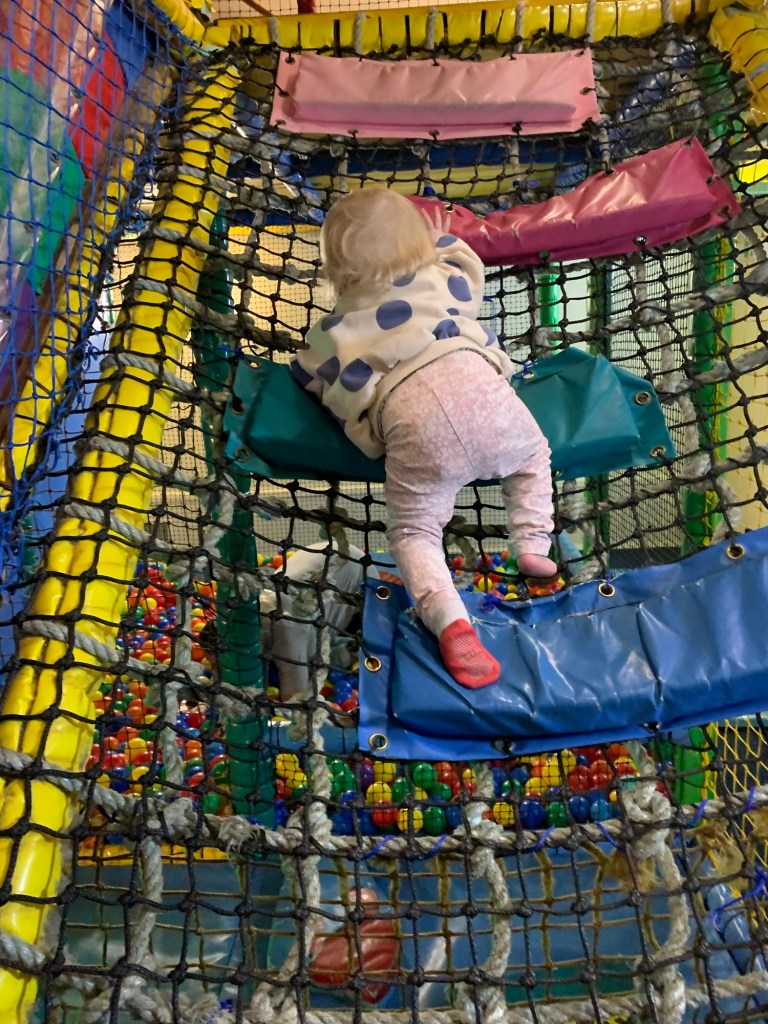
• Soft Play Adventures: Crawling through tunnels, diving into ball pits, and watching my daughter climb with excitement makes my heart swell with joy.

My little climber

• Trips to the Park: Swinging high and zooming down slides alongside her, I’ve rediscovered the simple joys of being outdoors.

• Tea Parties with Tiny Cups: My daughter’s favourite activity is hosting tea parties with her toy tea set. Sitting cross-legged on the floor, pretending to sip from miniature cups, I see her creativity bloom—and I can’t help but marvel at how magical these small moments are.

Finding the Joy in Change

As a parent, it’s easy to feel nostalgic for the life you had before children. But I’ve realised that while the definition of fun has changed, the joy hasn’t diminished—it’s just shifted. What used to be about connecting with friends is now about connecting with my daughter. What used to be about spontaneity is now about cherishing intentional moments together.

Embracing the Now

Motherhood has taught me to see life through my daughter’s eyes. When she laughs uncontrollably at something as simple as a pretend cup of tea, it’s a reminder that play doesn’t have to be extravagant or complicated. It’s about being present, about sharing smiles and finding happiness in the here and now.

So yes, playtime looks a little different these days. The music is quieter, the drinks are make-believe, and the setting is often our living room or a local park. But the joy? That’s as real as ever—and perhaps even greater than it was before.

What does playtime look like for you these days? I’d love to hear how parenthood has redefined fun in your life.

References

• Reflective experiences of parenting and how it changes lifestyle.

• Tips for engaging in meaningful play with young children.

• Importance of play for child development.

Do you play in your daily life? What says “playtime” to you?

The Start of a New Year: Reflections and Hopes for Families with Premature Babies

As the calendar turns to a new year, many of us find ourselves reflecting on the past months and looking forward to what lies ahead. For families with premature babies, the start of a new year can bring a mix of emotions: gratitude, hope, and perhaps a lingering sense of uncertainty.

Having been in the shoes of a parent with a premature baby, I know how these milestones can feel different for us. While others may see January as a fresh beginning, we often carry the experiences of the NICU and the journey of early parenthood with us. These experiences shape our outlook, our priorities, and our hopes for the future.

Reflecting on the Past Year

The last year may have been filled with challenges and triumphs. Perhaps you celebrated your baby’s first smile, their discharge from the NICU, or the progress they’ve made despite their early start. At the same time, you may have faced moments of doubt or fear, wondering if your little one would overcome the hurdles in their way.

Reflection allows us to honour those moments. It’s okay to acknowledge the tough days while celebrating the resilience of your baby and your family. Every parent of a premature baby learns to treasure the small victories—each ounce gained, every feed completed, and every cuddle shared.

Looking Ahead with Hope

As we step into the new year, it’s a chance to set intentions and embrace hope. For many families, this may mean focusing on your baby’s continued health and development, advocating for their needs, or finding ways to support your own well-being.

It’s important to remind yourself that progress doesn’t have to be linear. Some days may feel harder than others, but even on those days, you’re doing an incredible job. Trust that your baby’s journey is uniquely their own, and your love and dedication are guiding them every step of the way.

Practical Ways to Embrace the New Year

Here are a few ways to embrace this new beginning:

1. Celebrate Milestones: Whether big or small, take time to acknowledge your baby’s achievements. Every step forward is a testament to their strength and your care.

2. Seek Support: The journey of parenting a premature baby can feel isolating at times. Reach out to other parents who understand your experience, whether through support groups, online communities, or local meetups.

3. Care for Yourself: It’s easy to pour all your energy into your baby, but your well-being is just as important. Set realistic goals for self-care, whether that’s finding moments of rest, pursuing a hobby, or talking with a therapist.

4. Advocate for Your Baby: This may be the year you focus on accessing therapies, specialist appointments, or early interventions to support your little one’s growth and development.

5. Make Memories: Take photos, write journal entries, or create keepsakes to capture your baby’s progress. These will serve as a reminder of how far you’ve both come.

The Power of Community

As we welcome the new year, remember that you’re not alone. There is a community of parents and caregivers who understand the ups and downs of raising a premature baby. Together, we can share our stories, support each other, and create a world where families feel seen and empowered.

If you’re feeling overwhelmed or uncertain, take a moment to pause and remind yourself how far you’ve come. The new year is a blank page, ready for the story of your family’s strength and love to unfold.

A Message of Hope

To every family with a premature baby, I want to leave you with this thought: You are enough. The love and care you give your baby, even on the hardest days, is extraordinary. This new year may bring challenges, but it also holds the promise of joy, growth, and moments that will take your breath away.

Here’s to a year of hope, healing, and tiny miracles.

References:

• Bliss: Supporting Premature Babies and Families (www.bliss.org.uk)

• March of Dimes: Premature Birth Resources (www.marchofdimes.org)

• Tommy’s: Premature Birth Support (www.tommys.org)

Blog Title: Celebrating Together: Merging Religious Holidays in Mixed Families

Introduction: Finding Unity in Diversity

In today’s beautifully diverse world, many families celebrate multiple religious and cultural holidays, reflecting the rich traditions of both parents or extended family members. Merging these holidays can be an enriching experience, teaching children the values of inclusion, respect, and love. However, it can also bring challenges, especially when trying to honour everyone’s traditions without feeling overwhelmed. This blog explores practical ways to celebrate together while embracing the unique beauty of a mixed-faith family. In our family, we have a mixture of Catholics, Jews and Muslims so it is really nice that we are able to  truly teach Amelia about the different religions.

1. Start With Open Communication

The first step to harmonising different traditions is open and honest communication. Sit down as a family or couple to discuss what each holiday means to you and your family’s values. Consider questions like:

• What are the most important rituals or customs we want to include?

• How can we blend traditions in a way that feels authentic to everyone?

• Are there any sensitivities or boundaries we need to respect?

This foundation ensures everyone feels heard and valued in the planning process.

2. Educate Each Other and the Kids

Holidays are a wonderful opportunity to teach children about the richness of their heritage. Share the stories, meanings, and history behind each celebration. For example:

• Explain the story of Hanukkah alongside the significance of Christmas.

• Share the values of reflection during Ramadan while preparing for the joyous festivities of Easter.

• Teach the symbolism of light in Diwali while celebrating the gratitude of Thanksgiving.

Books, videos, and crafts are great tools for making these lessons engaging and accessible for kids.

3. Create Shared Traditions

While it’s important to honour individual holidays, creating new family traditions can strengthen unity. Here are some ideas:

• A combined feast: Prepare dishes from each tradition to enjoy as one family. For example, include latkes at Christmas dinner or serve Easter eggs alongside Ramadan treats.

• Lighting candles: Light candles to represent Hanukkah, Diwali, or Advent, focusing on shared themes like hope and renewal.

• Gift exchanges: Combine traditions by giving small, thoughtful gifts for multiple holidays or focusing on acts of kindness as a shared value.

• Holiday decorations: Blend symbols, like displaying a Christmas tree with Diwali diyas or adding elements from both traditions to a shared centerpiece.

4. Find Common Values

Many religious holidays share universal themes, such as gratitude, family, generosity, and hope. Highlight these overlapping values to connect traditions. For example:

• Emphasise the theme of giving during both Eid and Christmas.

• Celebrate renewal during Passover and Easter.

• Reflect on gratitude during Thanksgiving and other harvest festivals.

Focusing on these shared values can help create a sense of unity across traditions.

5. Celebrate Sequentially or Together

Depending on the calendar, some holidays might overlap, while others fall weeks or months apart.

• Sequential celebrations: If the holidays are close together, dedicate specific days to each. For instance, celebrate Ramadan fully before focusing on Easter.

• Combined celebrations: When holidays overlap, create a blended event. For example, combine the joy of Hanukkah with Christmas celebrations by sharing meals, music, and storytelling.

6. Respect and Flexibility Are Key

Blending traditions requires flexibility. Some years, you might focus more on one holiday due to timing or family priorities. It’s okay to adapt and change plans as your family grows and evolves. Ensure everyone feels included and respected, even if certain traditions are simplified or merged.

7. Involve Extended Family Thoughtfully

Involving grandparents, aunts, uncles, or other extended family members can enrich celebrations but may also bring differing expectations. Be clear about your blended approach and invite others to share in your family’s unique traditions.

8. Keep It Simple and Meaningful

Blending holidays doesn’t mean you have to do everything. Choose rituals and traditions that resonate most with your family, and focus on creating meaningful moments rather than a packed schedule. A simple shared meal, storytelling session, or craft activity can leave a lasting impression.

Conclusion: Celebrating Unity in Diversity

Merging religious holidays in mixed families is an opportunity to celebrate love, understanding, and inclusion. By honouring each tradition while creating new ones, you can build a family culture that reflects your unique values. Your children will grow up with a deep appreciation for diversity, a foundation of respect, and the knowledge that love transcends all traditions.

Whatever holidays you celebrate, may they bring joy, connection, and cherished memories to your family.

The Biggest Challenges I’ve Faced as a Mum Since Amelia’s 20-Week Scan

When I think back to Amelia’s 20-week scan, it feels like the moment everything changed. What should have been a joyful milestone in my pregnancy became the start of a journey filled with uncertainty, fear, and challenges I never could have imagined. The days since that scan have tested me in every way, but they’ve also shaped me into the mum I am today.

Here, I want to share my story—the highs, the lows, and the lessons I’ve learned along the way—in the hope that it brings comfort to other parents navigating a similar path.

The Unexpected News

The 20-week scan was supposed to be a time to bond with my baby and dream about her future. But instead, it brought news I wasn’t prepared for. The doctors explained that complications in my pregnancy meant Amelia would likely have to be born early.

Hearing those words was devastating. My mind was flooded with questions and fears: Will she survive? What will her life look like? How will I cope? For the first time, I truly understood what it meant to feel powerless.

As a mum, your instinct is to protect your child, but I couldn’t change what was happening inside my own body. All I could do was hope and pray for more time.

Living in Limbo

The weeks that followed were a whirlwind of appointments, tests, and updates. Each day brought new information, some of it encouraging, some of it terrifying. I clung to every milestone, hoping Amelia would stay safe inside me for just one more week.

Pregnancy is often described as a magical time, but for me, it was a time of relentless anxiety. I was consumed by fear—fear of the unknown, fear of losing her, fear of failing her. It was hard to enjoy even the smallest moments because the stakes felt so high.

Amelia’s Arrival and Life in the NICU

I’ll never forget the ache I felt as a mum—not being able to hold her when she cried, not being able to soothe her the way I wanted to. The NICU is a world of its own, filled with hope and heartbreak in equal measure. Every day brought new milestones and setbacks. I learned to celebrate the smallest victories, like a tiny weight gain or the very big victory that on the second day she no longer needed to be on the cpap for her breathing.

Amelia arrived much earlier than we had hoped, and her birth was both a relief and the start of a new chapter of challenges. Seeing her in the neonatal intensive care unit (NICU) for the first time was heartbreaking. She was so small, so fragile, covered in wires and monitors that beeped endlessly.

But I also learned to live with constant fear. The alarms, the medical jargon, the uncertainty—it was overwhelming. And through it all, I had to balance my own emotions, putting on a brave face for Amelia when inside I felt completely shattered.

Bringing Her Home

After 5 weeks in the NICU & SCBU, we finally brought Amelia home. I thought that would be the end of our struggles, but in many ways, it was just the beginning.

Without the safety net of doctors and nurses, every decision felt enormous. I found myself obsessively checking her breathing, worrying over every little cough or sniffle. The isolation was hard too—most parents couldn’t relate to what I was going through, and I often felt like I was navigating this journey alone.

The Weight of Trauma

One of the hardest parts of this journey has been managing my own mental health. The trauma of Amelia’s early arrival, combined with my past experiences of loss, left me battling PTSD and anxiety.

There were days when the weight of it all felt too much to bear. I questioned whether I was doing enough, whether I was strong enough. But through therapy and support from my husband and loved ones, I began to find ways to cope. I learned that it’s okay to ask for help, that it’s okay to admit when you’re struggling.

What I’ve Learned

Looking back, I can see that every challenge has taught me something. I’ve learned to celebrate the smallest victories, to find joy in the everyday moments. I’ve learned that being a mum isn’t about being perfect—it’s about showing up, loving your child fiercely, and doing the best you can, even when things feel impossible.

Amelia is my tiny miracle. Every fear, every tear, every sleepless night has been worth it to see her grow into the strong, resilient little person she is today.

For Other Parents

If you’re a parent going through something similar, please know this: you’re not alone. It’s okay to feel scared, to feel overwhelmed. But it’s also okay to find joy, even in the smallest things.

Motherhood is a journey, and it’s rarely a smooth one. But it’s in the messy, difficult moments that we often find our greatest strength.

References:

Tommy’s: Supporting Premature Babies and Families

Thank you for reading my story. If it resonates with you or you’d like to share your own journey, I’d love to hear from you. Together, we can remind each other that we’re never alone in this.

Bliss: For Babies Born Premature or Sick

What are your biggest challenges?

Looking Back: A Decade of Growth, Healing, and Letting Go

As I reflect on the past ten years, I can see just how much I’ve grown as a person. Life has a way of throwing challenges at us, and in many ways, it’s those challenges that shape who we become. For me, the last decade has been a journey of self-discovery, healing, and learning to prioritise my mental health. It wasn’t an easy path, but I wouldn’t trade it for anything because it prepared me for the life I have today—especially for being a mum and meeting my husband.

Surviving Sepsis and the Turning Point

In 2019, my life changed in an instant. I developed sepsis, and it nearly took everything from me. I was just 15 minutes away from not surviving, and the experience left me physically weak and emotionally fragile. Surviving sepsis wasn’t just about recovery from a physical illness—it was the beginning of a long journey to rebuild my mental and emotional health.

For months, I battled feelings of anxiety and PTSD. Flashbacks would hit me at unexpected moments, especially as I returned to work. It was as though my body had healed, but my mind hadn’t yet caught up. This experience forced me to confront just how important it was to prioritise my mental health. It became clear that I couldn’t keep running on empty, pretending I was fine. I needed to truly heal.

Finding Healing During the Pandemic

When the pandemic began, and I was furloughed, I finally had the time and space to focus on myself. At first, it was unsettling—being still isn’t something I was used to. But over time, I realised that this period of enforced rest was exactly what I needed.

I used this time to reflect, heal, and reassess my priorities. I worked through the trauma I had carried since sepsis, allowing myself to feel the emotions I had been suppressing. Therapy became a lifeline, as did daily routines of self-care. For the first time in a long time, I wasn’t just surviving—I was beginning to thrive.

This period of healing wasn’t just about recovering from sepsis or the trauma it caused. It was about letting go of old wounds, toxic relationships, and the belief that I had to keep pushing forward no matter what. I learned to value rest, to be kind to myself, and to focus on what truly matters.

Letting Go of Toxic Relationships

Part of this healing process involved cutting out toxic relationships that were holding me back—both personally and professionally. Toxic relationships can drain your energy, lower your self-esteem, and create a sense of doubt about your worth. For a long time, I tolerated relationships that didn’t serve me because I felt obligated to. But I realised that every time I held onto those connections, I was sacrificing my own well-being.

So, I started making changes. I set boundaries, learned to say “no,” and slowly but surely, let go of people who didn’t respect my boundaries or value me for who I am. It wasn’t easy, and there were moments of guilt and loneliness. But looking back now, I can see that it was one of the best decisions I ever made. By creating space in my life, I opened the door to healthier, more supportive relationships.

How It Prepared Me for My Present Life

When I met my husband, I was in a place where I truly valued myself. I wasn’t looking for someone to complete me; I was looking for someone to complement the life I had built. The love and support we share are built on a foundation of mutual respect and understanding—something I don’t think I could have appreciated without the growth and healing I experienced beforehand.

And then came the most transformative chapter of my life: becoming a mum. When my daughter was born, I realised just how much my journey of healing had prepared me for this moment. Parenthood is full of challenges, and having a strong sense of self has helped me navigate those challenges with resilience and grace. I want to raise my daughter to know her worth, to set boundaries, and to prioritise her mental health—values I couldn’t have instilled in her if I hadn’t learned them myself.

Looking Forward

As I look ahead, I feel a sense of excitement about what’s to come. I know there will still be challenges, but I also know that I have the tools to face them. The last ten years have taught me that growth is a lifelong journey, and I’m committed to continuing that journey—not just for myself but for my family.

If there’s one thing I’d say to anyone reading this, it’s this: don’t be afraid to let go of what no longer serves you. Whether it’s toxic relationships, unresolved trauma, or the pressure to keep going without rest—it’s worth taking the time to prioritise yourself. Healing isn’t linear, and it isn’t always easy, but the space you create will allow new and beautiful things to grow.

Your mental health and happiness are worth it.

Here’s to growth, healing, and the decade ahead.

References:

• Importance of setting boundaries for mental health: Mental Health Foundation (UK)

• Benefits of cutting out toxic relationships: Psychology Today

• Understanding PTSD and trauma recovery: Mind UK

Baking Memories: How a Victoria Sponge Connects Me to My Nain and My Future with Amelia

Baking has always held a special place in my heart, not just for the joy it brings in creating something sweet and delicious but for the deep, nostalgic connection it carries with my Nain. My grandmother was the queen of the kitchen, her hands skillfully mixing, whisking, and decorating with a calm precision that mesmerised me as a child. Baking with her wasn’t just about cakes; it was about love, laughter, and learning.

Growing up, I spent many afternoons in her warm kitchen, the air heavy with the scent of sugar and butter. My favourite memories were baking Victoria sponge cakes together. She would carefully guide me through each step, letting me lick the spoon when the batter was mixed and showing me how to get the perfect rise in the oven. It was a ritual, a bonding experience, and a way for her to pass down her love for baking to me.

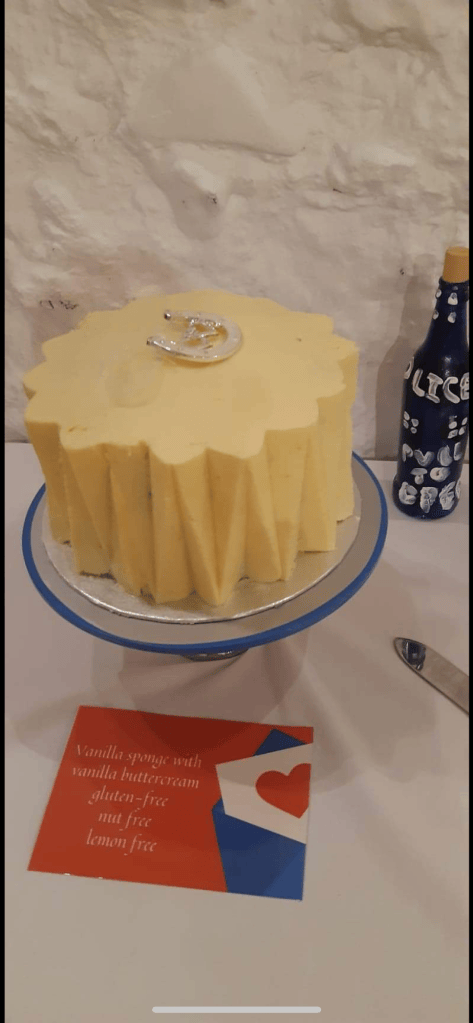
When I got married, I wanted to find a way to bring her presence into the day, even though she was no longer with us. Baking a Victoria sponge cake for my wedding felt like the perfect tribute. It wasn’t just a cake—it was a piece of her, a reminder of the love and guidance she gave me, and a way of honouring her memory. As I baked, I felt close to her again, almost as though she were standing beside me, guiding my hands like she always did.

Now, as I look at my daughter Amelia, I can’t help but dream of recreating those same moments with her. When she’s old enough, I want to pass down the love of baking that my Nain gave me. I imagine us in the kitchen, flour dusting our faces, laughing over a bowl of batter, and creating memories that she can carry with her too. It’s a way to keep my Nain’s legacy alive and to give Amelia a tangible connection to the great-grandmother she never had the chance to meet.

Our wedding cake that I made.

Baking has this incredible way of linking the past, present, and future. Every time I bake a Victoria sponge, I’m reminded of my Nain’s love and the lessons she taught me—not just about baking but about cherishing the little moments that make life beautiful. And as I prepare to share this tradition with Amelia, I feel an overwhelming sense of gratitude for the bond I had with my Nain and the opportunity to create that same bond with my daughter.

In a way, baking isn’t just about making cakes. It’s about connection. It’s about love that transcends generations. And for me, it’s about bringing my Nain into my life, into my wedding, and into the future I dream of sharing with Amelia.

References

• Personal memories of baking with my grandmother.

• Reflection on baking as a nostalgic tradition.

• Connection between past generations and creating new memories with children.

What makes you feel nostalgic?

Hypo Awareness Week: Why It Matters and How You Can Get Involved

Every year, Hypo Awareness Week serves as a crucial reminder of the importance of recognising and managing hypoglycaemia (low blood sugar), a condition that affects countless individuals living with diabetes. While the term might sound intimidating, understanding hypos and knowing how to respond can be life-changing—not just for those with diabetes but also for their families, friends, and caregivers.

What is Hypoglycaemia?

Hypoglycaemia, or a “hypo,” occurs when blood sugar levels drop too low, typically below 4mmol/L. This can happen for various reasons, including:

• Taking too much insulin or diabetes medication

• Skipping meals or eating less than usual

• Increased physical activity without adjusting food or medication

• Consuming alcohol

The symptoms of a hypo can range from mild to severe and include:

• Shakiness or trembling

• Sweating

• Dizziness

• Feeling hungry

• Confusion or difficulty concentrating

• Irritability or mood changes

In severe cases, if untreated, a hypo can lead to unconsciousness or seizures, making awareness and prompt action essential.

Why Hypo Awareness Matters

For people living with diabetes, hypos are not just a minor inconvenience; they can disrupt daily life and pose significant health risks. Moreover, for those who are newly diagnosed or managing diabetes in children, recognising the signs of a hypo early can make all the difference in preventing complications.

Hypo Awareness Week is a time to educate, empower, and engage everyone—whether you live with diabetes, know someone who does, or simply want to learn more about supporting the community.

How You Can Get Involved

Here are some ways to raise awareness and make a difference during Hypo Awareness Week:

1. Learn the Basics

Take the time to understand what a hypo is, what causes it, and how it can be treated. Familiarise yourself with the symptoms and keep resources, such as glucose tablets or sugary snacks, handy if you or someone you know is at risk.

2. Spread the Word

Use social media platforms to share facts about hypoglycaemia, personal stories, or tips on managing low blood sugar. Hashtags like #HypoAwarenessWeek and #KnowTheSigns can help your posts reach a wider audience.

3. Host a Workshop or Discussion

If you’re part of a community group, workplace, or school, consider hosting an awareness session to educate others about diabetes and hypoglycaemia. Even a brief discussion can have a lasting impact.

4. Support Local and National Campaigns

Look for campaigns run by diabetes organisations and support their efforts by volunteering, donating, or sharing their resources.

5. Be Prepared

If someone in your life has diabetes, know how to help in case of a hypo. Keep a hypo treatment kit ready and ensure you know how to use it.

6. Involve Schools and Workplaces

If you’re a parent or employer, advocate for better understanding and support for people with diabetes in schools and workplaces. Teachers, colleagues, and managers should know the signs of a hypo and how to respond.

A Personal Perspective

For those of us who live with or support someone managing diabetes, hypo awareness is a daily part of life. But for many, the first experience of witnessing a hypo can be frightening and overwhelming. That’s why weeks like this are so essential—not only to provide education but also to build a supportive, understanding community.

I’ve seen firsthand how being prepared can turn a potentially dangerous situation into one that’s manageable. Whether it’s carrying a glucose gel in your bag or ensuring schools have the right policies in place, small steps can make a world of difference.

Together, We Can Make a Change

Hypo Awareness Week is about more than just facts and figures; it’s about creating a culture where people feel empowered and supported. Let’s work together to spread awareness, provide education, and ensure that everyone affected by diabetes can live safely and confidently.

For more information about hypoglycaemia and how you can get involved in Hypo Awareness Week, visit trusted diabetes organisations such as Diabetes UK or speak to your healthcare provider.

References:

• Diabetes UK. (www.diabetes.org.uk)

• National Health Service (NHS). (www.nhs.uk)

• International Diabetes Federation. (www.idf.org)

Design a site like this with WordPress.com
Get started